The proposed arrangement would allow Berlin to contribute towards maintaining and potentially developing the nuclear deterrents operated by Britain and France. In return, Germany could receive a degree of involvement in European deterrence without establishing an independent nuclear arsenal.
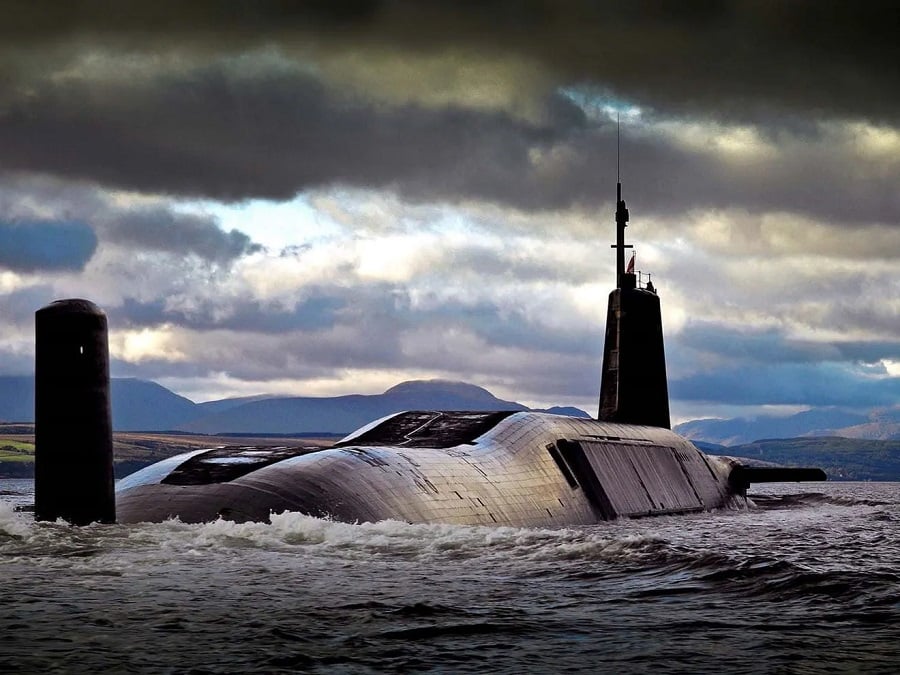
Britain’s existing strategic force comprises four Royal Navy Vanguard-class submarines, each carrying 16 Trident II D5 ballistic missiles. France operates four Triomphant-class submarines with 16 M51-family missiles each, supported by Rafale B and Rafale M aircraft carrying ASMP-A or ASMPA-R air-to-surface missiles.
British F-35B aircraft are expected eventually to provide an additional nuclear role using American B61 gravity bombs under NATO’s nuclear-sharing programme. Washington would retain full control over the arrangement, according to the article.
Britain is seeking a limited expansion of its strategic deterrence capabilities, while France intends to increase its nuclear-warhead stockpile to an undisclosed level. London previously considered developing a sovereign air-launched nuclear weapon, with a cruise missile preferred over a gravity bomb, but apparently abandoned the concept because of its cost.
Additional German financing could allow Britain to reconsider that option, the article said. No potential funding level, negotiating timetable or structure for German participation was disclosed.
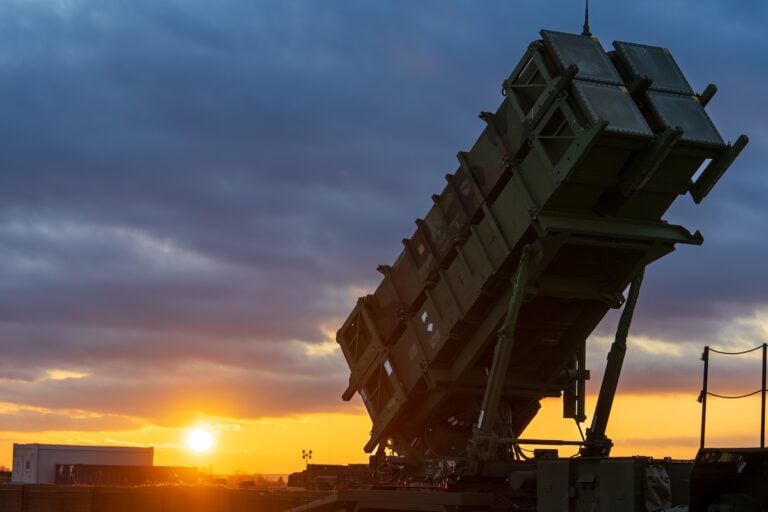
The discussions reportedly extend beyond nuclear forces to conventional defence cooperation. British media have raised the possibility of a German Patriot air-defence battery being deployed to protect the Royal Navy base at Faslane, where Britain’s ballistic-missile submarines are stationed.
Berlin was also said to have offered support for construction of the Dreadnought-class submarines that will replace the Vanguard fleet. Britain reportedly rejected the proposal.
The talks come during a broader European debate over regional defence capabilities, driven by concerns about U.S. policy towards allies, Russian actions against European NATO and EU countries, and Chinese economic pressure. Germany has also begun debating whether it should possess nuclear weapons of its own.
The article suggested that supporting British and French deterrents could offer Berlin a simpler and more politically acceptable alternative to developing a national nuclear arsenal. Such an approach could give Germany a greater role in European nuclear deterrence while helping finance the existing British and French systems.
Source: The Telegraph.