For U.S. policymakers, the figures tell two stories at once: regional demand for American weapons accelerated, but the conflict narrowed Washington’s room to meet all of its existing commitments. The resulting delivery delays caused domestic political friction in some allied and partner countries.
Secretary of State Marco Rubio issued three emergency determinations under the Arms Export Control Act to speed the delivery of urgently needed defense systems. Those decisions bypassed the standard congressional review process and accounted for more than half of the proposed sales.
The State Department also notified its intention to sell $19.19 billion in equipment through regular non-emergency procedures. Its Bureau of Political-Military Affairs concluded that the full package of approved sales would have “no adverse impact” on U.S. defense readiness.
The largest proposed purchases came from Saudi Arabia, which accounted for $12 billion, followed by Kuwait with $10.74 billion. The United Arab Emirates was allocated $8.61 billion, Israel $7.81 billion, Qatar $5 billion and Jordan $350 million.
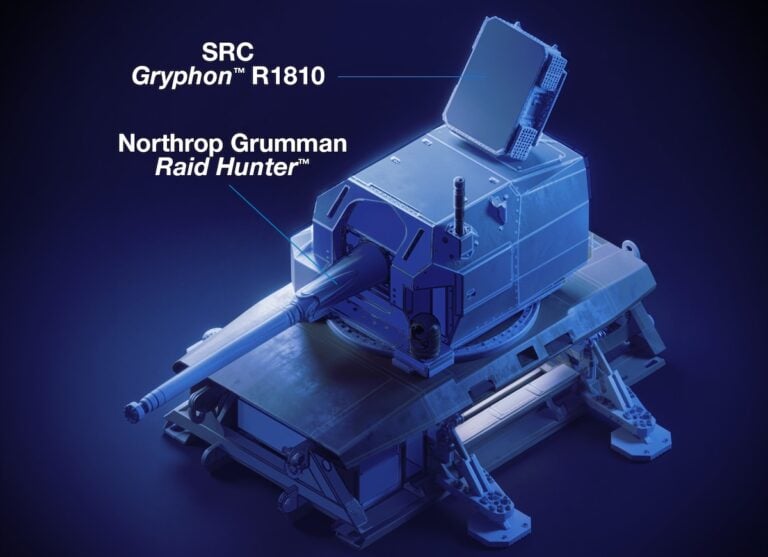
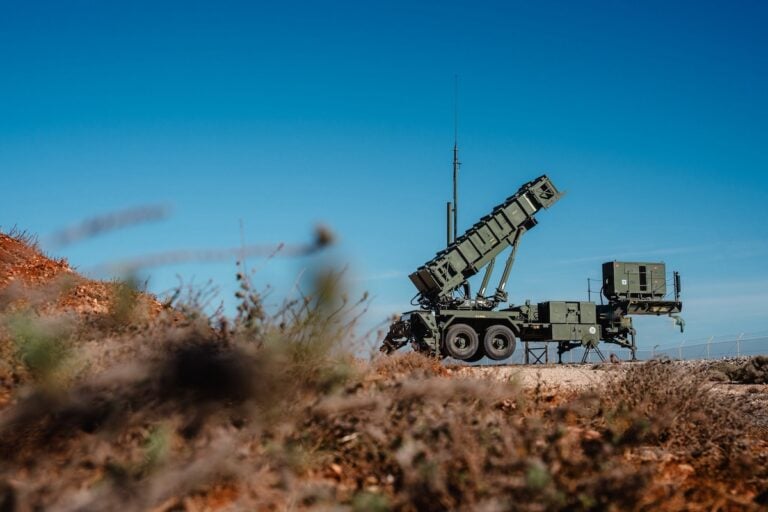
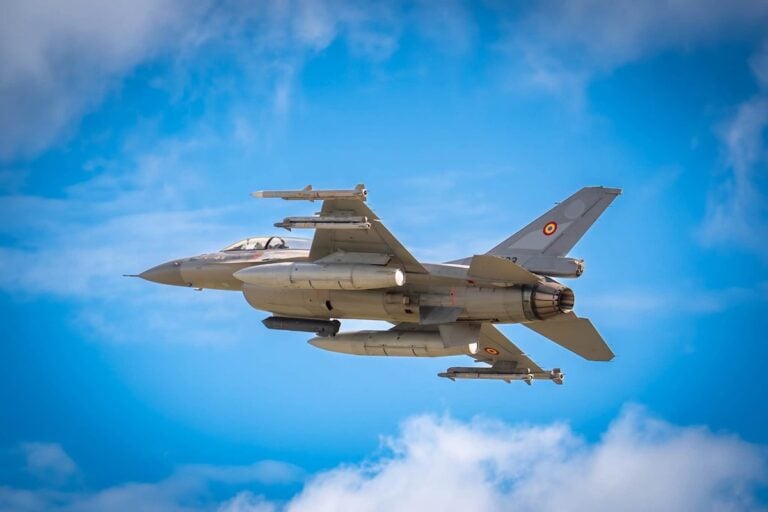
Saudi Arabia’s total included $9 billion for Patriot Advanced Capability-3 Missile Segment Enhancement interceptors and $3 billion for F-15 sustainment. Kuwait’s approvals were dominated by an $8 billion air-and-missile-defense radar package and a $2.5 billion Integrated Battle Command System sale.
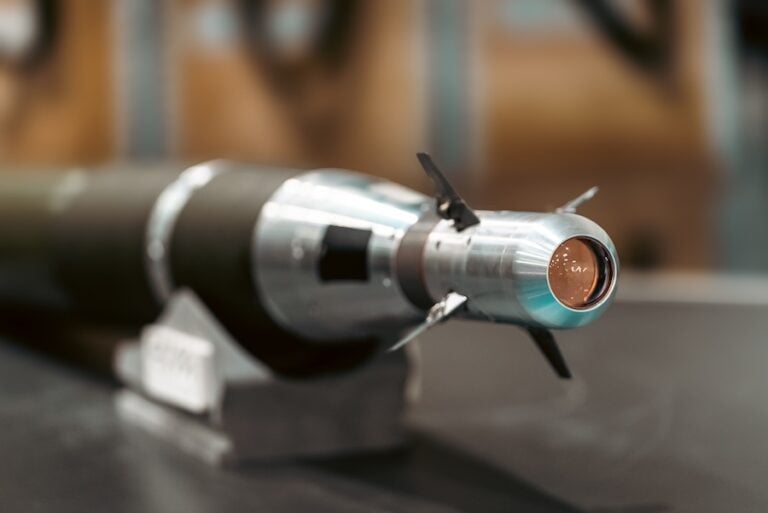
The United Arab Emirates sought a $4.5 billion long-range discrimination radar integrated with the Terminal High Altitude Area Defense system. Its other packages included AMRAAM missiles, a fixed-site counter-drone system, F-16 weapons and upgrades, and Advanced Precision Kill Weapon System rounds.
Qatar’s proposed purchases included $4.01 billion for Patriot missile replenishment and $990 million for APKWS weapons. Jordan received approvals for Ku-band multifunction radars and emergency support covering aircraft repairs, returns and spare parts.
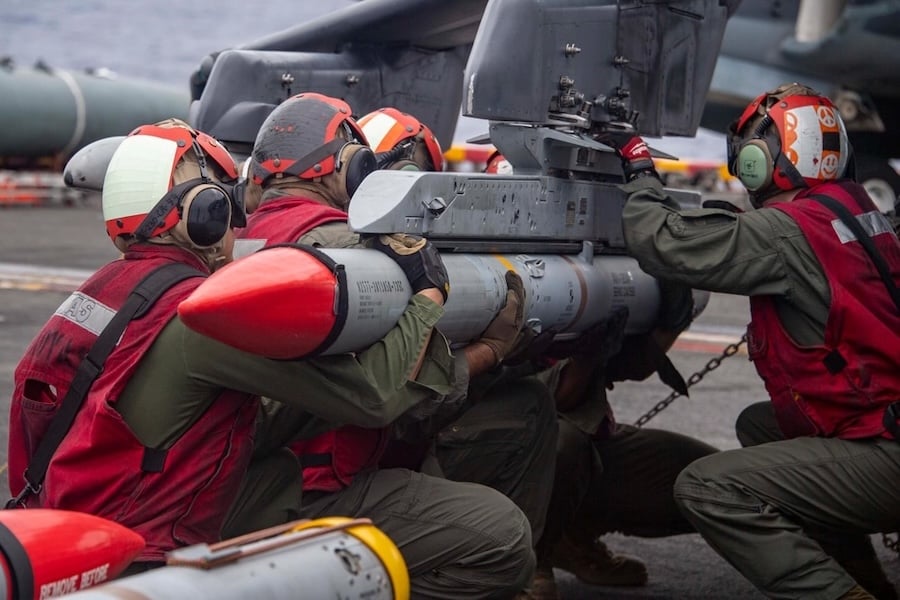
Israel’s $7.81 billion total covered AH-64E Apache attack helicopters, Joint Light Tactical Vehicles, light utility helicopters and power packs for Namer armored personnel carriers. Emergency decisions also covered munitions support and 10,000 APKWS II all-up rounds.
The composition of the sales reflected the demands of a conflict shaped by ballistic missiles, drones and sustained air operations. Missile interceptors, radars, command systems, counter-drone equipment, precision weapons and aircraft sustainment accounted for much of the proposed value.
Yet the decision to prioritize some requirements by delaying earlier purchases exposed the limits of managing wartime demand across a broad group of customers. The State Department did not identify the affected countries, the equipment withheld or the expected duration of the delays.
The proposed sales and delivery disruptions were detailed in the Lead Inspector General report to Congress on Operation Epic Fury, covering the campaign through June 30, 2026. The report noted that its $44.51 billion table total may differ slightly from the emergency and non-emergency figures in the accompanying text because of rounding.