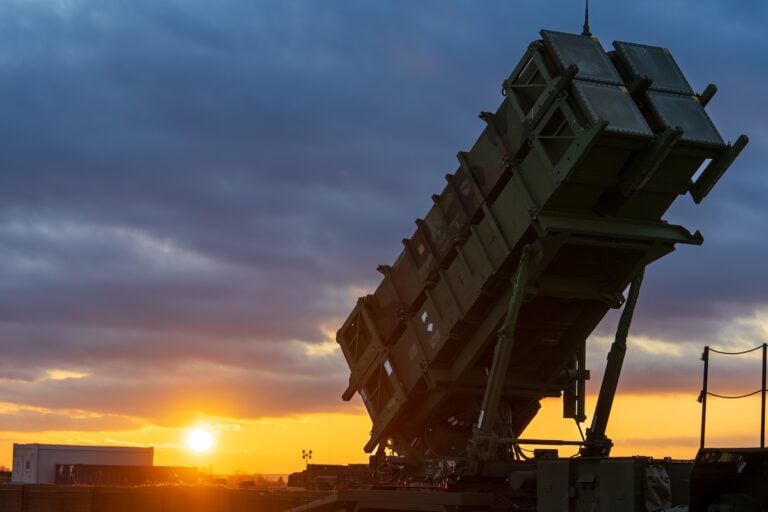

The disclosure appeared in an Aug. 27 CRS report titled U.S. Army’s Patriot Air and Missile Defense System. The report did not identify the planned variants, potential manufacturers, development schedules, performance requirements or anticipated procurement costs.
Lockheed Martin’s PAC-3 Missile Segment Enhancement is the Army’s current-generation Patriot interceptor. The service is procuring the missile while exploring more capable and cost-effective alternatives, CRS said.
PAC-3 MSE is a high-velocity, hit-to-kill weapon designed to destroy threats through direct impact. Its target set includes tactical ballistic missiles, cruise missiles, air-breathing threats and unmanned aerial systems.
The interceptor has been integrated into Patriot systems operated by the United States and international partners. It is also integrated with the U.S. Terminal High Altitude Area Defense system.
Patriot’s missile family includes 12 main variants divided into two broad groups. Earlier MIM-104A through MIM-104E weapons rely on blast-fragmentation warheads, while the MIM-104F family includes the smaller PAC-3 and PAC-3 MSE interceptors developed primarily for ballistic missile defense.
The older RTX-produced PAC-2 Guidance Enhanced Missile detonates near its target and is used against aircraft and cruise missiles. PAC-3 variants are optimized for direct-impact engagements against ballistic missiles, although they retain a more limited capability against aircraft.
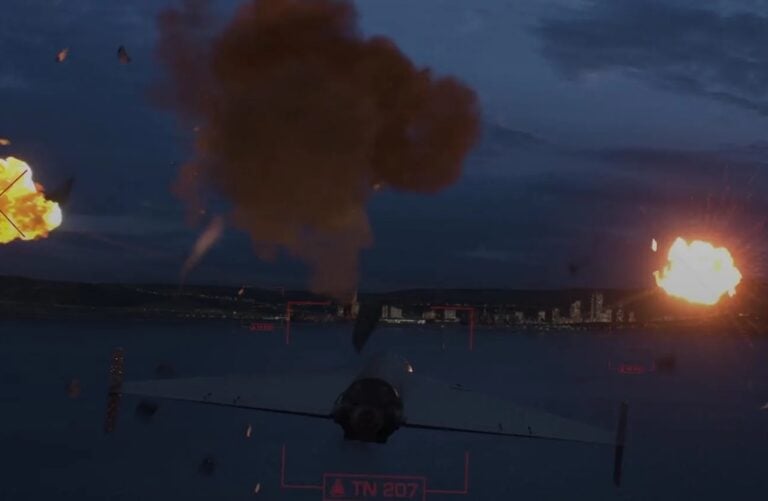
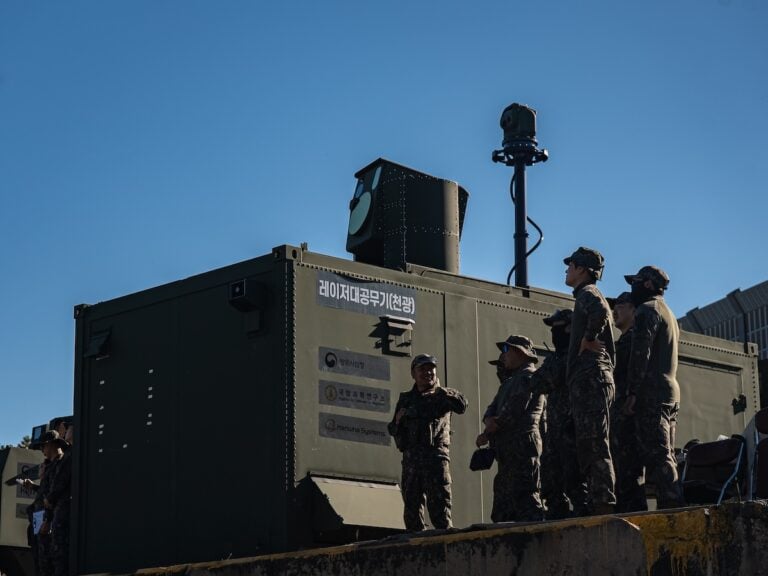
The drive for lower-cost interceptors carries growing policy significance as Patriot takes on a broader range of missions. CRS asked whether the system is being positioned against threats it was not designed to counter, including low-cost drones, and whether other munitions would offer a better economic trade-off.
The report did not determine that Patriot is being used inefficiently or provide the cost of individual engagements. Instead, it identified interceptor selection and the cost-benefit balance of drone defense as potential areas for congressional oversight.
Production capacity is another concern facing lawmakers. CRS asked what supply-chain bottlenecks are restricting output, which other weapons programs depend on the same critical materials and what production rate the Defense Department ultimately requires.
Congress may also consider using foreign production lines, additional manufacturing capacity or expanded coproduction agreements to reinforce the U.S. industrial base. The report did not identify which countries are authorized to produce Patriot systems, components or missiles.
Demand extends well beyond the existing Army force. The service operates 15 active-component Patriot battalions and plans to add three more, with one new battalion scheduled annually from fiscal 2029 through fiscal 2031.
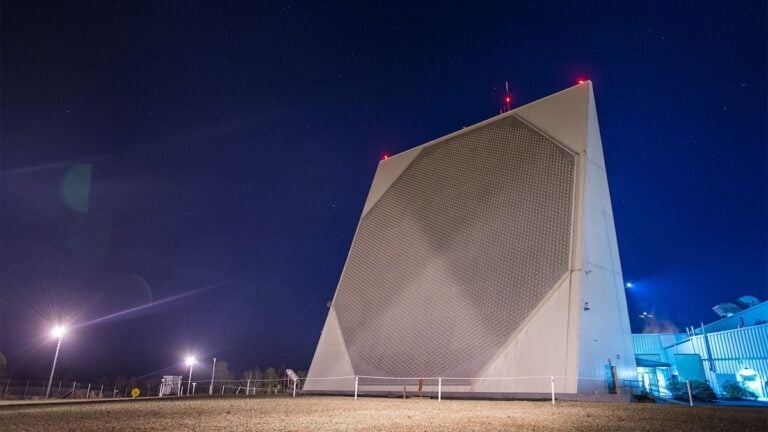
A four-battery battalion equipped with the Integrated Battle Command System and Lower Tier Air and Missile Defense Sensor carries an estimated procurement cost of $1.792 billion. CRS did not provide a separate estimate for the interceptors required to equip those formations.
The Navy is also reportedly preparing to integrate PAC-3 MSE missiles aboard some Aegis guided-missile destroyers. Lockheed Martin anticipates an initial land-based test in early 2027 and initial operational capability in 2028.
Foreign orders are placing further demands on the Patriot enterprise. Denmark reportedly abandoned a planned purchase partly because of shorter delivery times for the Franco-Italian SAMP/T system, while Switzerland considered a European alternative amid potential Patriot delays of four to five years.
Patriot has also been mentioned as a possible component of the initial Golden Dome homeland missile defense architecture. Formal unit requirements are not believed to have been submitted, leaving another potential source of future interceptor demand unresolved.