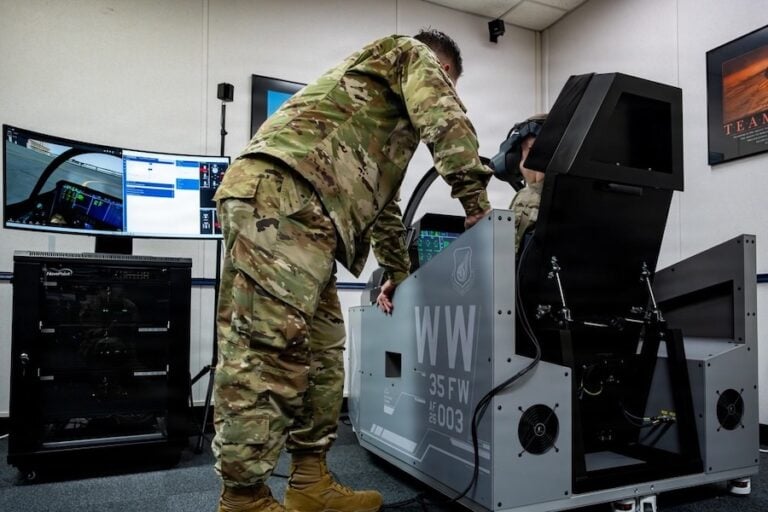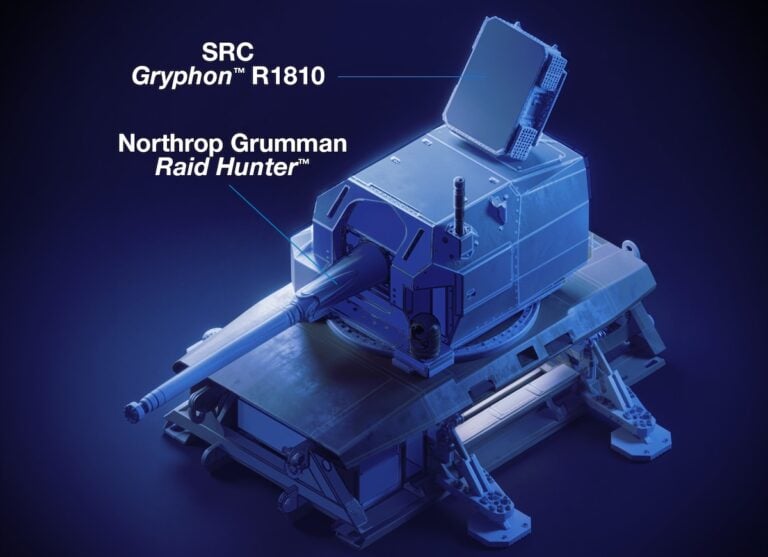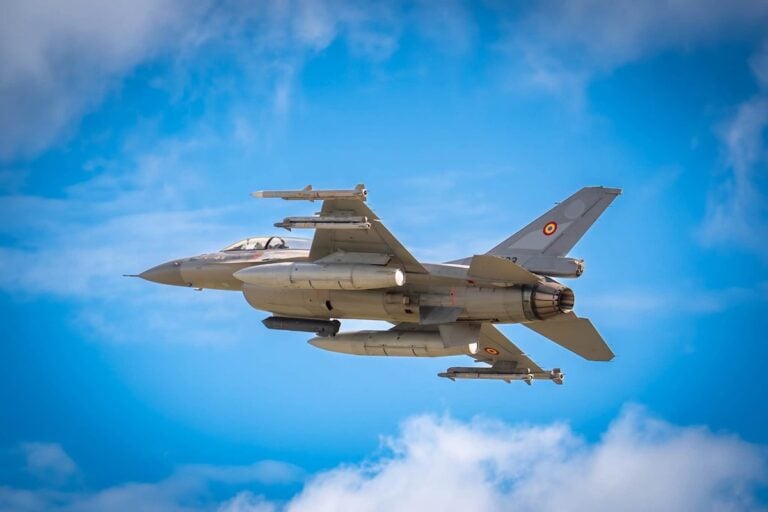

The selected work spans drone production and counter-drone systems, maritime and seabed protection, space, integrated air and missile defence, and security along Europe’s eastern flank. Together, the projects bring industrial cooperation into areas where equipment and systems from several countries will need to operate together.
Drone and Counter-Drone European Resolve is intended to expand both unmanned aircraft and the means to stop hostile drones. Integrated Maritime and Seabed Defence will focus on detecting and responding to threats at sea and beneath it, including risks to infrastructure.
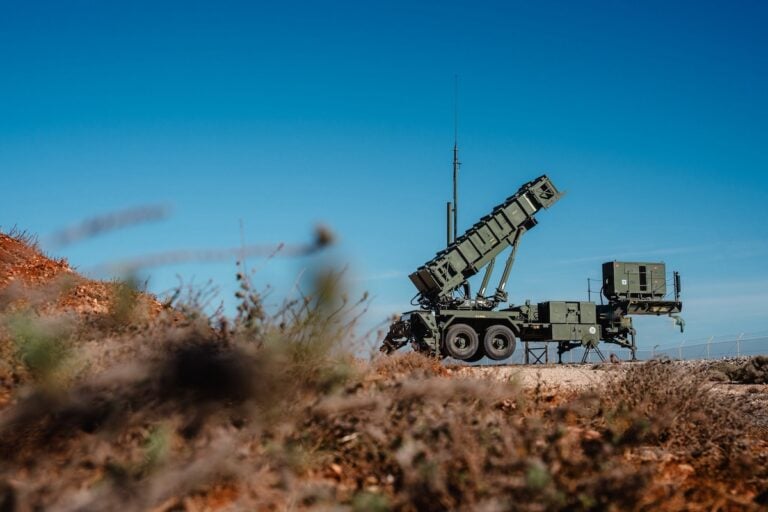
The SPACE project covers missile-launch warning satellites, communications, intelligence and surveillance, positioning, and the rapid launch of replacement satellites. EU Federated Integrated Air and Missile Defence including Early Warning aims to connect warning and command capabilities, while Eastern Flank Watch covers land, air, sea, cyber and other security needs along participating countries’ eastern borders.
Today 5 first EDPCIs with a envisaged funding ambition of around EUR 190bn by 2036 were launched.
This is a major breakthrough to close 🇪🇺 most critical cabality gaps in the areas of air&missile defence, drones&counter-drones, maritime and seabed, space&Eastern Flank Watch. 1/2 pic.twitter.com/WPlwcAwAir
— Andrius Kubilius (@KubiliusA) September 28, 2026
“These projects further demonstrate the practical cooperation between EU member states to provide for our own security. Working closely with our partners Norway and Ukraine, together we are taking decisive steps to protect space, our skies, our seas, undersea cables and our citizens who depend on them,” said Helen McEntee, Ireland’s Minister for Defence.
The European Commission proposed the five projects on 3 July after nine proposals were submitted following a call for expressions of interest in February. EU funding is intended to support initial deployment, with possible further support through the planned European Competitiveness Fund.