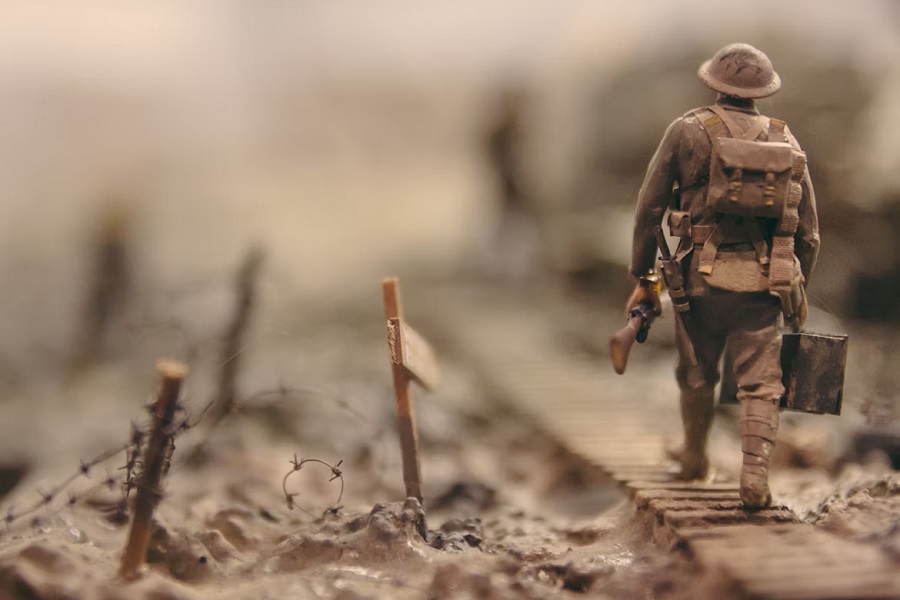
According to an academic advisor from the EssayPro’s essay writing service, Annie Lambert, students who engage with military programs often experience accelerated personal growth. “The army teaches structure and resilience – skills that directly enhance academic and career success,” she explains.
Some students also leverage academic resources like human essay writer services to stay on top of assignments during peak training periods. Seeking writing or editing help ensures that academic performance doesn’t suffer when military commitments intensify.

Discipline and Structure for Academic Success
One of the biggest benefits the army brings to students is discipline. College life can be chaotic, with social activities, part-time jobs, and assignments pulling students in multiple directions. Military programs, on the other hand, emphasize punctuality, routine, and accountability.
Students involved in cadet programs or part-time military training learn to prioritize tasks and meet deadlines consistently. This is an essential skill for academic life, where time management determines success.
Annie Lambert observes that army-influenced students often excel at balancing responsibilities because they’ve been conditioned to stick to a clear routine. In the classroom, that translates to better focus, less procrastination, and higher-quality work.
Leadership Skills That Translate Beyond the Battlefield
The army doesn’t just create soldiers – it develops leaders . Students who participate in military programs gain experience in decision-making, delegation, and problem-solving.
For example, a student in ROTC might lead a small group during a training exercise. This requires clear communication, adaptability, and confidence – qualities that carry over to group projects, presentations, and internships.
Employers recognize these transferable skills. A graduate who has developed leadership experience through the army often stands out in job applications, not only for their discipline but also for their ability to handle pressure and guide teams effectively.
Opportunities for Education and Career Advancement
The army provides tangible benefits for students who are considering higher education or future careers. Many countries offer scholarships, tuition assistance, or stipends for students who commit to service.
In the United States, programs like ROTC allow students to pursue a college degree while preparing for military service . After graduation, these students often enter as commissioned officers with competitive salaries and leadership roles.
Even for students who don’t plan to serve long-term, exposure to the army can enhance résumés. Fields like cybersecurity, engineering, and logistics often value military experience because it demonstrates technical skills and reliability .
Balancing Army Commitments With Academic Life
While the benefits are clear, managing both student life and army involvement requires planning and resilience . Training schedules can be demanding, and travel for drills or exercises may overlap with exam weeks.
Annie Lambert recommends that students plan assignments ahead of time and communicate with professors early about potential conflicts. This proactive approach prevents last-minute stress and demonstrates responsibility, which most instructors respect.
Physical and Mental Resilience
The army builds mental and physical toughness that complements academic growth. Students who engage in physical training gain better stamina and energy for daily activities, while the mental challenges of drills and exercises build confidence.
Facing high-pressure environments, even in training, teaches students to remain calm and problem-solve efficiently . These qualities directly support exam preparation, public speaking, and managing multiple deadlines.
Teamwork and Collaboration Skills
The army thrives on teamwork , and this lesson is invaluable for students. Academic success often depends on collaboration – whether in group projects, lab work, or extracurricular organizations.
Military training emphasizes trust and mutual responsibility . Students learn that the success of a mission – or a class project – depends on clear communication, accountability, and supporting each member of the team.
Annie Lambert emphasizes that teamwork learned through army programs often accelerates maturity. Students develop a strong sense of commitment not just to personal goals but also to group success, which professors and employers notice.
A Pathway to Personal Growth
Perhaps the most profound impact the army has on students is personal development. Balancing academic and military responsibilities forces students to step outside their comfort zones .
They learn resilience, adaptability, and the value of hard work. They also gain perspective, understanding that personal growth comes from meeting challenges head-on rather than avoiding them .
Many students report that their time with the army helped them develop clarity about their future – whether that means a military career, a civilian profession, or a combination of both.
Final Thoughts
The connection between the army and students is about more than uniforms or drills. It represents a journey of discipline, leadership, teamwork, and self-discovery . Students who embrace military experiences often graduate with stronger study habits, improved confidence, and career-ready skills .
With the right mindset and support, students can thrive in both worlds-building a foundation for success in the classroom, in the military, and beyond.